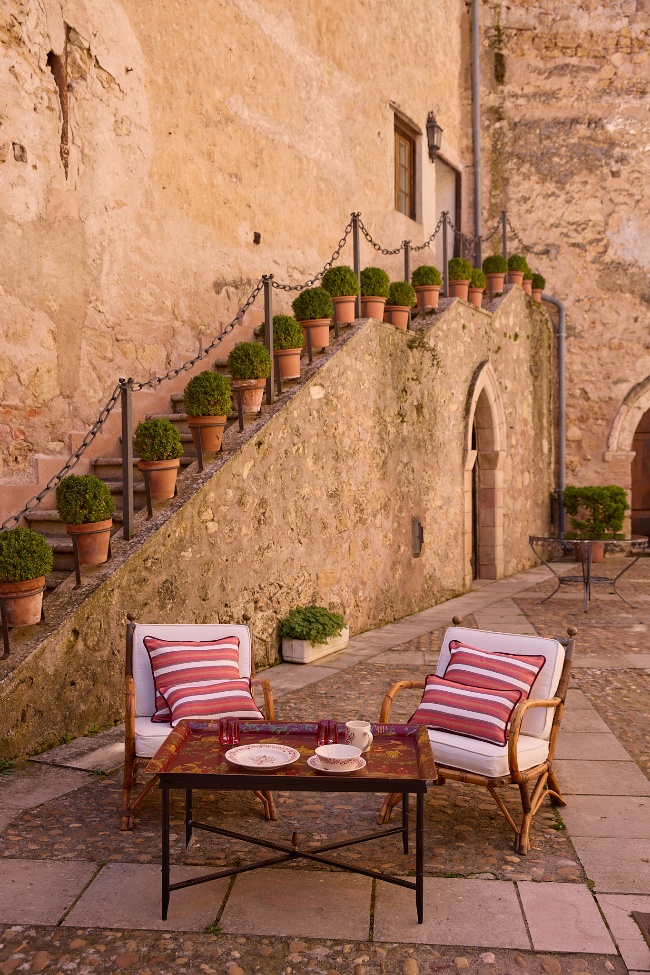
Interior design has evolved towards greater creative freedom. It's no longer about rigidly adhering to a single style, but rather about learning to combine furniture from different styles , materials, colors, and eras to create unique spaces full of personality. However, to achieve this, it's essential to know certain basic rules, otherwise, you risk creating spaces that look cluttered or chaotic.
Next, we'll share key tips for mixing styles in your home and practical advice so you can integrate classic pieces with modern ones, rustic elements with contemporary details, or even fuse Nordic and boho trends in the same space.
How to combine modern and classic decor
One of the most common contrasts is the mix between modern and classic. The key is to make both styles complement each other rather than compete. To achieve this, it's advisable to establish a neutral base —light walls, uniform floors, and furniture with simple lines—against which classic pieces with character can stand out. For example, a restored antique sideboard can coexist with a contemporary dining table made of glass or metal.
Another tip is to use decorative accessories that act as "bridges" between the two styles. A modern designer lamp with a gold finish can perfectly complement a baroque mirror. Similarly, modern tableware can be combined with minimalist linens to create a sophisticated and timeless table setting. The key is to achieve visual balance where no single element stands out too much, but rather all elements participate in the same aesthetic language.

Keys to a balanced decor with different styles
When we want different trends to coexist in the same space, it's necessary to respect certain basic rules for mixing styles in interiors . To make it easier, here are some recommendations:
-
Maintain a consistent color palette : it is the most powerful tool for unifying environments.
-
Choose a dominant style : it is best if one has greater presence and the others act as complements.
-
Play with proportions : if you have a sofa with straight, modern lines, balance it with smaller vintage armchairs.
-
Repeat materials : wood, metal, wicker or marble can act as common threads so that the decoration does not become scattered.
-
Integrate common accessories : rugs, cushions or lamps serve as a link between different pieces.
These keys to a balanced decoration with different styles are the starting point to experiment without fear, avoiding the mistakes made when combining more frequent decoration styles, such as saturating with too many disparate elements or choosing colors that do not dialogue with each other.
Tips for harmonizing decorative styles
Unifying different decorating styles requires coherence and planning. It's not just about choosing beautiful furniture, but about ensuring that each piece fulfills a role within the space. Tips for harmonizing decorating styles include paying attention to the scale of the furniture: a large, classic armchair can clash if placed next to minimalist side tables that are too small.
Another key aspect is the use of textiles. Curtains, sofa cushions , and rugs can soften contrasts and create a sense of continuity. If you have a dining room with modern metal chairs and a rustic wooden table, a natural linen tablecloth or a neutral rug under the table can make both elements blend together more naturally.
Finally, think of lighting as a tool for balance. A chandelier can stand out in a modern living room, adding a classic touch, while a minimalist wall sconce can bring a fresh feel to a more cluttered space.
Ideas for mixing rustic and contemporary
The combination of rustic and contemporary styles is one of the most appealing, because it blends the warmth of natural materials with the functionality and understated elegance of modern lines. To achieve this fusion, it's essential to pay attention to the materials that work well together in an eclectic decor .
-
Untreated wood coexists perfectly with polished surfaces of marble or cement.
-
Black iron or brushed metals blend seamlessly with rustic wooden tables.
-
Natural fabrics such as linen or cotton soften the impact of industrial-looking furniture.
One example is a living room with exposed wooden beams and minimalist white walls. In this setting, a contemporary sofa paired with linen cushions featuring a geometric border achieves a balance between tradition and modernity. These ideas for mixing rustic and contemporary styles are ideal for those seeking a welcoming home with a sophisticated touch.
How to combine colors in a mixed decor
One of the trickiest aspects of blending styles is choosing the right color palette. To avoid creating a cluttered look, it's advisable to opt for a color scheme that unifies the entire space. The key to mixing styles at home lies in understanding that color can be the most effective unifying element.
In a mixed decor , you can opt for neutral colors like white, gray, or beige as a base, and add bolder accents depending on the style you want to highlight. For example:
-
In a blend of Nordic and boho, sand and earth tones are combined with touches of mustard or turquoise.
-
In a modern space with vintage details, black and white work well with gold or burgundy accents.
-
For a rustic-contemporary atmosphere, dark greens and browns are balanced with metallic tones.
In short, how to combine colors in a mixed decor depends on establishing a limited range and repeating it in different elements, from furniture to accessories, to create a coherent aesthetic.

Decorate with furniture from different eras
One of the biggest challenges when mixing styles is how to decorate with furniture from different eras. The key is to strategically highlight each piece. It's not necessary to fill a room with antique and modern furniture at the same time; simply choose a couple of statement pieces and combine them with more contemporary items.
One example is placing an Art Deco chest of drawers in a minimalist bedroom. The contrast creates interest and adds historical value. Similarly, a Chesterfield sofa can coexist with an industrial coffee table, provided the colors and materials are in harmony. Tricks for blending decorative styles include using understated accessories that soften the contrasts: a neutral rug, a contemporary lamp, or a mirror with simple lines.
Achieving a decor that blends several styles is possible if you keep in mind some tips for mixing decorating styles and avoid common mistakes, such as accumulating too many disparate elements. The key is to maintain a coherent color palette, repeat materials, and choose a dominant style to serve as a foundation.
At IQ Home, we believe that the most memorable spaces are those that tell stories through a mix of modern, classic, handcrafted, and vintage pieces. Our collection of textiles and accessories offers endless possibilities for creating a unique home, where every object adds value without styles clashing.