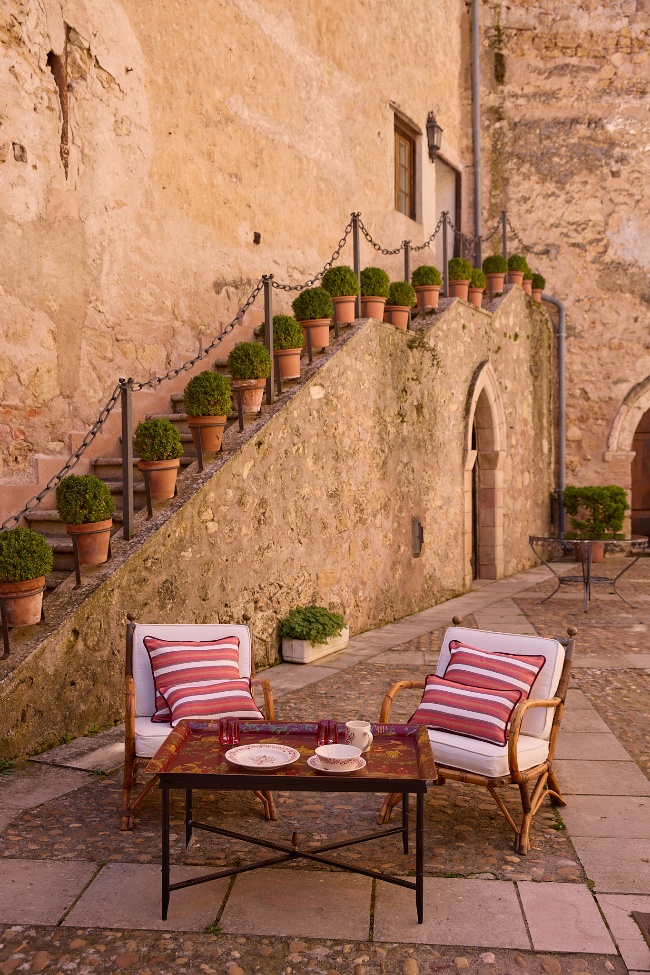
In interior design, it's not always necessary to make major changes to transform a space. Often, it's the small details that make all the difference and turn a house into a home with personality. A well-chosen vase, a distinctive texture, a warm light source, or an object with meaning can completely change the perception of a room.
At IQ Home, we believe in mindful, balanced, and intentional decorating. That's why focusing on small decorative details is one of the most effective ways to refresh interiors, especially in small spaces or homes where a clean and timeless aesthetic is desired. In this post, we'll give you ideas and practical tips to make the most of these details and achieve a stylish interior with small, functional touches.
How to create a cozy atmosphere with small details
Creating a welcoming atmosphere doesn't depend on the size of the space or the budget, but rather on how decorative elements are used. Small details have the power to add warmth, intimacy, and visual comfort without overwhelming the space.
Textiles are one of the most effective resources . Cushions , light blankets, or soft rugs help to humanize any room. Even in austere spaces, a single well-chosen textile can break the coldness and bring balance. Lighting also plays a fundamental role: accent lamps , indirect lighting, or candles create more intimate and relaxing atmospheres.
Other key details include decorative objects made from natural materials, such as ceramics, wood, or wicker. There's no need to fill shelves; simply select pieces with character and place them strategically. A simple centerpiece, a vase with branches, or a wicker bowl can be enough to transform the space. The key is to choose fewer, but better, pieces and let each element breathe.

Tips for decorating small apartments
Decorating small apartments requires attention to detail and balance. In these cases, the details become even more important, as each element must add value without visually diminishing the sense of spaciousness . One of the first tips is to opt for a neutral base for walls and furniture, allowing small decorative touches to stand out without overwhelming the space.
Mirrors are great allies in small spaces, as they multiply light and create a sense of depth. Strategically placed, they help make an apartment feel larger. It's also advisable to choose decorative accessories that serve a dual purpose, such as trays, baskets, or benches with storage.
As for color, it's best to introduce it through small accents: cushions, prints, or decorative pieces. This way, you can easily refresh the style without compromising the overall harmony. Decorating a small apartment isn't about sacrificing style, but rather about carefully selecting each detail so that it enhances the space without overwhelming it.
Ideas for decorating the dining room with small details
The dining room is one of the spaces where small details have the greatest visual impact. A well-set table can completely transform the room , even when the furniture is simple.
Some ideas for decorating the dining room without major changes include:
-
Incorporate a table runner or a dining tablecloth that adds texture and color.
-
Play with cloth napkins, neatly folded or creatively combined.
-
Add a simple centerpiece, such as a vase with fresh flowers, branches, or fruit.
-
Use candles or candle holders to create a warmer atmosphere, especially at dinner parties.
Chairs can also become decorative elements with the addition of cushions or light textiles. In the dining room, less is more: a few well-chosen pieces are enough to give the space personality without interfering with its daily functionality.

Decorating tips for small spaces
When space is limited, every detail counts. Decorating tips for small spaces focus on making the most of what you have and avoiding unnecessary clutter . One of the fundamental principles is maintaining visual order. To achieve this, it's important to select accessories that are consistent with each other in terms of color, material, or style.
Verticality is another key resource. Placing decorative elements on walls, such as floating shelves or prints, frees up surface area without sacrificing style. It's also advisable to vary the heights of objects to create dynamism without overwhelming the space.
In small spaces, it's best to avoid overly large or ornate pieces. Opt for visually light objects with simple lines and natural materials. Auxiliary lighting also helps create depth and define areas, making the space feel more comfortable and inviting.

Decorating details for small rooms
Small rooms require a particularly delicate approach . In these spaces, the details should contribute to a sense of calm and rest, avoiding any element that creates visual clutter.
Textiles are once again the stars of the show: bedding with personality, cushions with different textures, and a light throw at the foot of the bed provide comfort without feeling overwhelming. Instead of large headboards, you can opt for decorative details such as prints, mirrors, or small wall lamps that free up space on the bedside tables.
Personal items can also be part of the decor, as long as they're arranged in an orderly fashion. A book, a candle, or a decorative piece on the bedside table can be enough. In small rooms, it's essential to leave open spaces and allow the room to breathe. The details should complement, not dominate.
How to decorate a living room with just a few details
A living room decorated with just a few elements can be elegant, balanced, and very welcoming if the details are well chosen. The key lies in the selection and strategic placement of each piece.
Instead of filling the living room with numerous decorative objects, it's preferable to choose a few statement pieces: a lamp with character, a large vase , a well-defined rug, or a set of cushions that add texture. These details, well-placed, create points of visual interest without overwhelming the space.
Color and materials play an essential role. Maintaining a consistent color palette helps the living room look tidy and harmonious. Introducing variations through textures—wood, ceramics, natural fabrics—adds richness without the need for additional elements. A living room with a few well-thought-out details conveys calm, style, and a carefully curated sense of home.
Small details are the key to a well-executed interior. They bring personality, warmth, and coherence to spaces, especially in small homes or interiors seeking a balanced and timeless style.
At IQ Home, we believe in mindful decorating, where every element has a purpose and a place. Incorporating small decorative touches is a simple and effective way to refresh your home, adapt it to your needs, and reflect your personal style without major changes. Because, in decorating, less is often more… as long as you choose wisely.